


EU reviews airline ownership rules
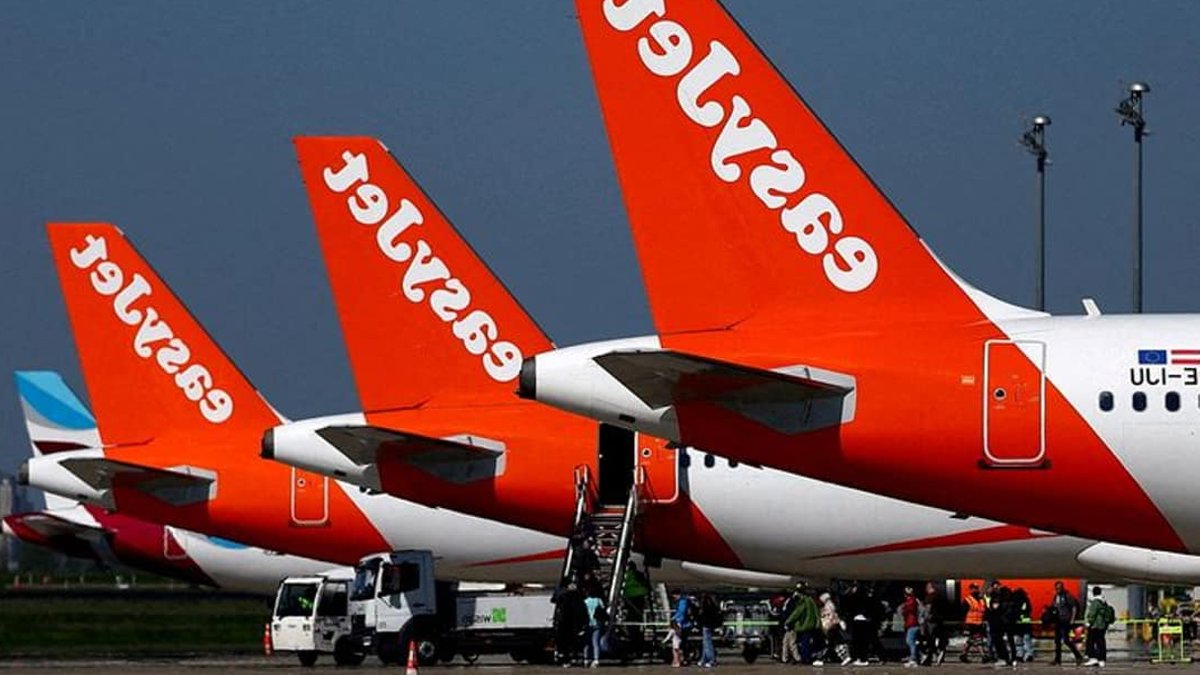
The European Union is set to review its airline ownership rules, a move that could reshape how foreign investors acquire stakes in carriers such as low‑cost giant easyJet.
EU aims to keep control of regional airlines within the bloc
According to an unnamed EU official, the upcoming review seeks to protect strategic autonomy by ensuring foreign investors cannot obtain full control of European airlines. The official told journalists the intention is to maintain sufficient headroom when it comes to control, reflecting concerns that current regulations may be too lax.
The timing coincides with a heated bidding war between two U.S. private‑equity firms, Apollo Global Management and Castlelake, each vying for a controlling stake in easyJet. EasyJet’s shares dropped 8% after the news of the potential takeover surfaced.
EasyJet previously backed a £5.7 billion ($7.65 billion) offer from Apollo, outbidding Castlelake’s earlier £5.5 billion proposal. Neither the airline nor the investors have detailed how they would satisfy the EU’s 51 % local‑ownership requirement, a key hurdle for any non‑EU acquisition.
Potential impact on private‑equity activity in aviation
If the deal proceeds, it could establish a precedent for private‑equity buyouts in an industry traditionally dominated by airline groups or state‑backed entities. Such a shift might open the door to more foreign capital entering a market that changes with trading decisions.
The official noted that the review, likely slated for the autumn, will clarify which corporate structures are permissible, especially regarding control and ownership. No formal discussions have taken place between the regulators and the parties involved, the source said.
Both easyJet and Apollo declined to comment on the review, while Castlelake did not immediately respond to requests for comment.
Related: Men use job offers to get raises
In the broader picture, the EU’s focus on ownership rules reflects a desire to balance openness to investment with safeguarding of strategic assets. By tightening the definition of control, policymakers hope to prevent scenarios where a foreign entity could effectively run an airline without meeting the local‑ownership threshold.
The official added, “The concern is that the industry is on the wrong foot, thinking that we no longer enforce the rules strictly. People will go down the wrong path because there’s a misunderstanding.” This comment highlights the regulator’s view that clearer guidelines are needed to avoid confusion.
While the review could make foreign takeovers more cumbersome, it may also prompt investors to structure deals that align with the EU’s expectations, possibly involving joint ventures or minority stakes that respect the 51 % rule.
Industry analysts have noted that any change to the ownership framework could affect not only airline valuations but also the competitive situation among European carriers, especially low‑cost operators that rely on flexible capital.
Overall, the EU’s impending scrutiny of airline ownership rules adds a layer of uncertainty for investors eyeing European aviation assets.
It will influence how private‑equity firms approach future deals.

Trading Decisions Shift with Market Changes


