


Parliament vows to speed up lawmaking after court rebuke
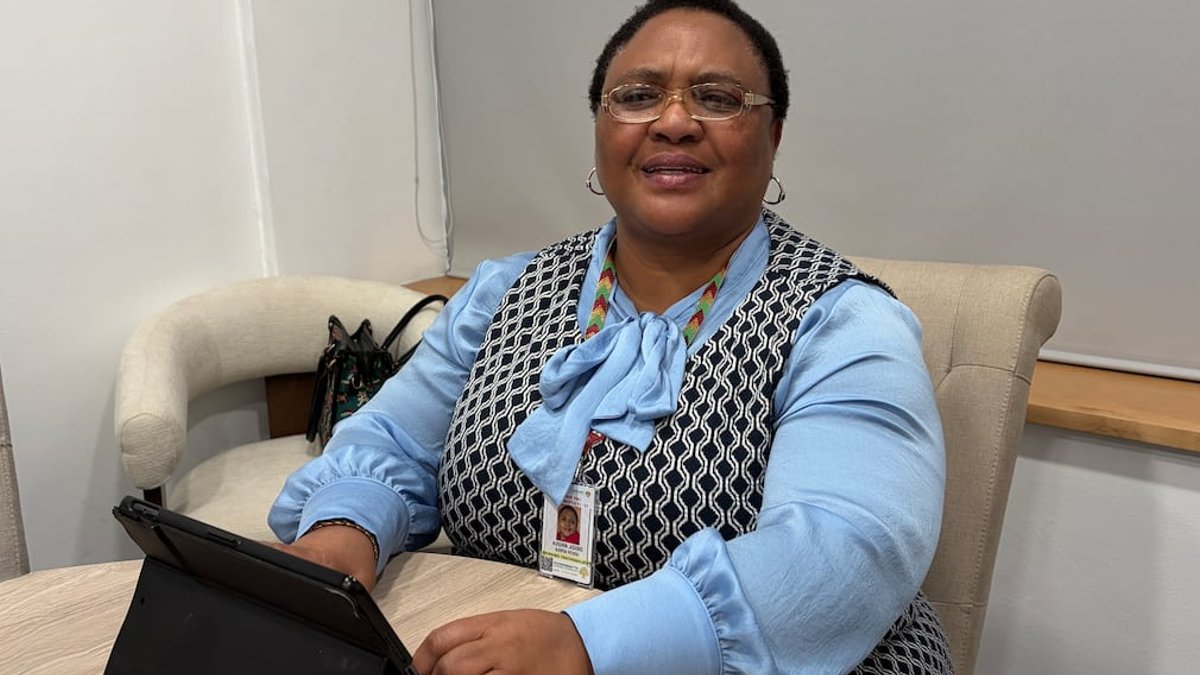
National Assembly speaker Thoko Didiza admitted that parliament takes too long to pass legislation. She stated that parliament is reviewing its legislative processes, with legal services proposing ways to reduce delays.
“We’ve received proposals from legal services on narrowing the timeline. It’s a concern that the time for passing legislation has increased instead of decreasing,” Didiza said.
Court ruling highlights tension between speed and due process
Her comments followed the Constitutional Court’s declaration that the Public Procurement Act was invalid. The court found parliament failed to facilitate reasonable public participation, including inadequate time for stakeholders to consider amendments when material changes were made.
This ruling shows the challenge Didiza mentioned: parliament aims to reduce the time for passing laws while ensuring rushed legislation doesn’t lead to legal challenges.
Didiza noted that parliament is examining areas where delays can be reduced. Bills often undergo consultation before reaching parliament and face another round of public participation once tabled.
Technical legislation moves quickly, but policy changes take longer
She explained that technical legislation typically moves faster, while bills involving significant policy changes take longer due to party disagreements, public submissions, and stakeholder consultations.
Read Also: Grindrod to boost Maputo cargo capacity
The Public Procurement Act exemplifies the consequences of failing to balance these factors. Signed into law in 2024, it never fully came into operation. Didiza said parliament must consider the court’s concerns when reviewing its processes.
“Much of it involves record keeping, but also how parliament engages with feedback,” she said, referencing previous court findings on public participation.
Parliament needs to be able to demonstrate not only that it had consulted the public but also how it had considered the issues raised and why particular submissions were accepted or rejected.
Ad hoc committee faces similar challenges
A similar tension between speed and due process is evident in parliament’s ad hoc committee investigating allegations by KwaZulu-Natal police commissioner Lt-Gen Nhlanhla Mkhwanazi.
Didiza expressed concerns to the committee’s chair about completing its work, acknowledging the large volume of evidence it is handling.
The committee has requested more time to finalize its report, with Didiza granting an extension to October 30. Its chair, Soviet Lekganyane, cited the evidence’s volume and complexity as requiring detailed consideration. Didiza suggested the committee could conclude without agreeing on every issue, noting disagreements could be reflected in the report.
“I had hoped the ad hoc committee’s work would be finished by now,” she said.
Read Also: South African factory confidence falls again
She also warned the committee against exceeding its mandate, as some issues are being investigated by other bodies.
Lessons for parliament’s oversight mechanisms
She acknowledged that political considerations sometimes overshadow committee work. “Politics often has more influence on an issue than it should,” she said.
Didiza and deputy speaker Annelie Lotriet noted the new political configuration requires more negotiation between parties before matters reach the floor.
Presiding officers also face challenges with MPs’ conduct, particularly during virtual sittings. Didiza said MPs misuse points of order to interrupt proceedings or raise issues better suited for debate.
While parliament has rules for conduct in physical and virtual proceedings, political parties must discipline their members, she added.
Current virtual and hybrid arrangements are temporary, allowing MPs to campaign in their constituencies ahead of local government elections on November 4. Lotriet said parliament will return to hybrid sittings post-elections and eventually to full physical sessions.

Grindrod to boost Maputo cargo capacity


