


South African Reserve Bank poised to keep rates steady
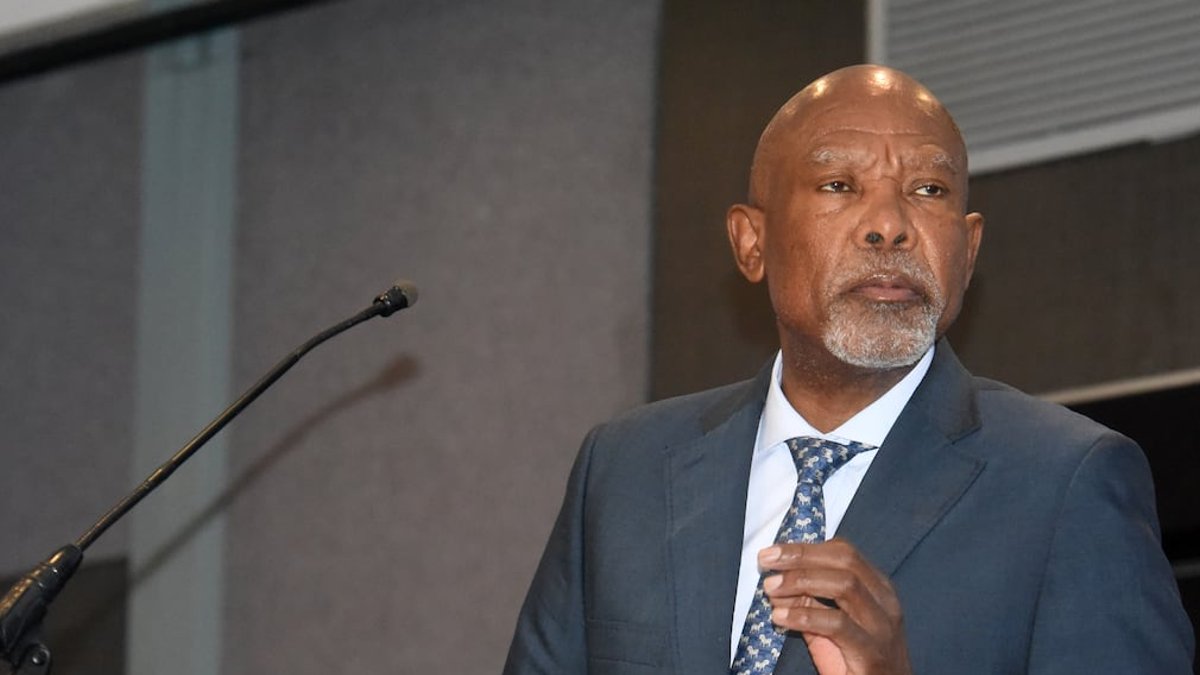
The South African Reserve Bank faces a delicate balancing act this week as it weighs the decision on interest rates, with inflation remaining stubbornly above target while economic growth continues to falter.
The monetary policy committee, led by Governor Lesetja Kganyago, will announce its latest rate decision on Wednesday, a day earlier than usual due to the upcoming Heritage Day public holiday. The committee previously held the benchmark rate at 7% in July, after a 25-basis-point hike in May driven by rising oil prices.
Ahead of the announcement, Stats SA is set to release August consumer inflation figures, which may influence the committee’s stance. However, the Reserve Bank has historically prioritized forward-looking assessments over current data, focusing instead on projected inflation trends over the next 12 to 24 months.
A recent survey by the Bureau of Economic Research, commissioned by the Reserve Bank, revealed that inflation expectations for 2026 remained steady at 4.4%, while those for 2027 eased slightly to 4% and 2028 to 3.8%. Despite these adjustments, expectations still exceed the Bank’s 3% target. Household forecasts showed a sharper decline, with 12-month expectations dropping to 4.9%, the lowest in nearly five years.
The survey highlighted ongoing concerns about the impact of geopolitical tensions in the Middle East, particularly disruptions to oil supplies through the Strait of Hormuz. These factors continue to drive up domestic fuel prices, adding pressure to already raised inflation levels.
The South African economy contracted by 0.2% in the second quarter, reinforcing arguments for maintaining current interest rates to provide relief to consumers. While weak growth supports a cautious approach, the MPC must also consider the risk that raised inflation could become entrenched, potentially requiring more aggressive monetary tightening.
Mike van der Westhuizen, portfolio manager at CAM Asset Management, described the decision as a “coin toss,” adding that based on short-term trends alone and where the consumer price index currently sits relative to the 3% target, one could easily argue for a 25-basis-point rate hike. The MPC will undoubtedly acknowledge weak growth, but growth remains a secondary consideration when inflation risks are raised.
The Reserve Bank’s decision is further complicated by international developments, including recent rate hikes by the U.S. Federal Reserve and the European Central Bank in response to persistent inflationary pressures. Higher global interest rates affect South Africa’s financial conditions, influencing capital flows and exchange rate volatility.
Economists anticipate that August inflation will rise slightly to 4.5% year-on-year, primarily due to higher fuel costs. First National Bank pointed out that food inflation continues to serve as a counterbalance, with near-term food price pressures remaining relatively contained. This mixed picture shows the challenges facing the Reserve Bank as it handles competing priorities.
In addition to the rate decision and the inflation report, the Reserve Bank will release its July leading business cycle indicator, which fell 1.4% in June. This decline reflects weaker export commodity prices and slower money supply growth, suggesting continued economic uncertainty heading into the final months of the year.

Most Africans oppose immigrant employment refugees


