


South Africa’s mining and energy sectors draw global investment surge
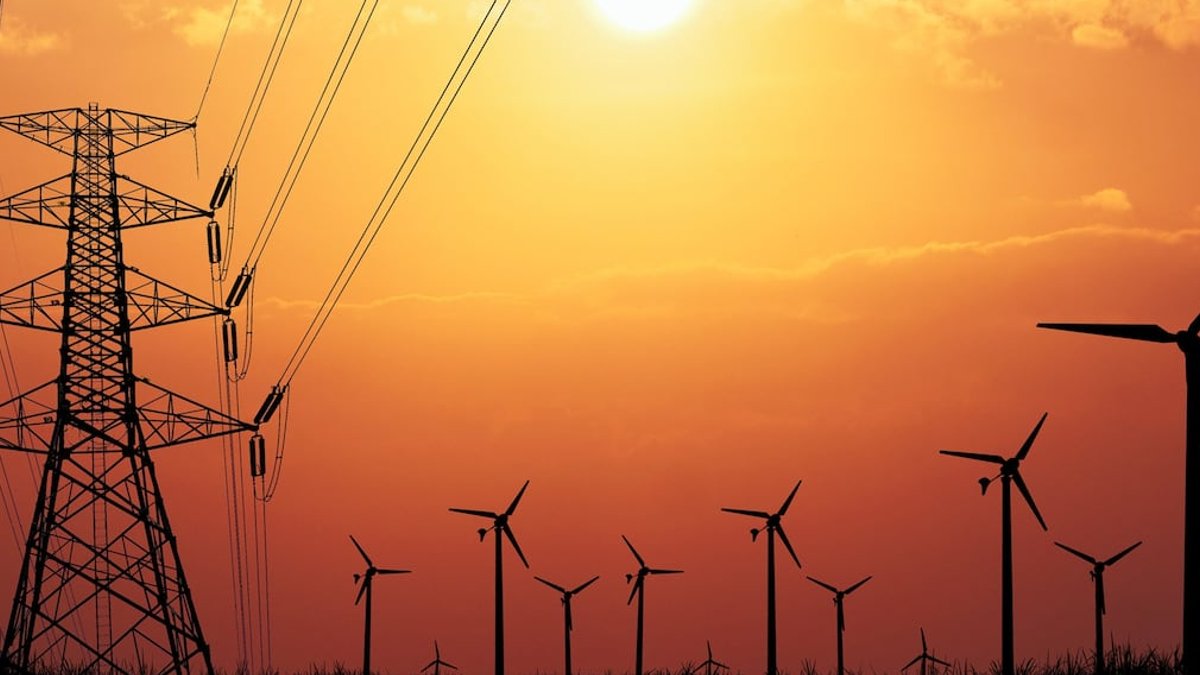
South Africa’s energy and mining sectors are set to benefit from investment in energy infrastructure, critical minerals and digitalisation, while automotive and textiles face weaker demand and intensifying global competition, according to global trade credit insurer Allianz Trade.
In its report, “Sector Atlas 2026,” Allianz Trade assesses corporate nonpayment risk in 17 sectors in 70 countries, using measures such as demand, profitability, liquidity and operating and regulatory conditions. The insurer says South Africa’s mining value chain remains strategically important, particularly producers linked to metals supporting electrification, renewable energy infrastructure and digital technologies.
Its global metals assessment identifies copper, lithium, nickel, cobalt and rare earths as benefiting from demand linked to electric vehicles, batteries, renewable energy infrastructure and electricity grids. The report points to governments increasingly treating critical minerals as strategic assets and seeking to secure alternative sources of supply.
According to Allianz Trade, recent improvement in metals and mining earnings has been driven partly by tariffs, higher commodity prices and policy-spurred margin expansion rather than broad-based demand.
The global energy sector is benefiting from rising investment in power infrastructure. Rising electricity demand from data centres is increasing the need for generation, grids and related infrastructure, while energy security concerns support investment in both renewable energy and conventional sources. Natural gas and liquefied natural gas (LNG) remain important where reliable power is needed alongside intermittent renewable generation.
AI investment is creating demand beyond technology companies themselves. Allianz Trade expects investment in AI infrastructure by major technology companies to reach $725bn in 2026 and exceed $1-trillion in 2027, supporting demand for electricity, data centres, equipment and high-capacity digital networks.
Infrastructure spending supports construction and machinery, with investment flowing into electricity grids, transport, water, data centres and defence-related projects.
The picture is different for automotive and textiles. Chinese carmakers are gaining market share in major markets, while tariffs and the shift towards electric vehicles are adding to cost and investment pressures for established producers. Textile manufacturers face rising raw material and energy costs, weaker consumer spending on clothing and other non-essential goods, and continued competition from Asian producers. Allianz Trade said tariffs are reshaping supply chains but have done little to change Asia’s manufacturing advantage.
AI, energy and defence account for an increasing share of global corporate investment and earnings growth as economic growth slows. It expects the global economy to expand 2.5% in 2026 before growth picks up to 2.9% in 2027.

South African Reserve Bank poised to keep rates steady


