


Foreign Brands Navigate Ho Chi Minh City Retail
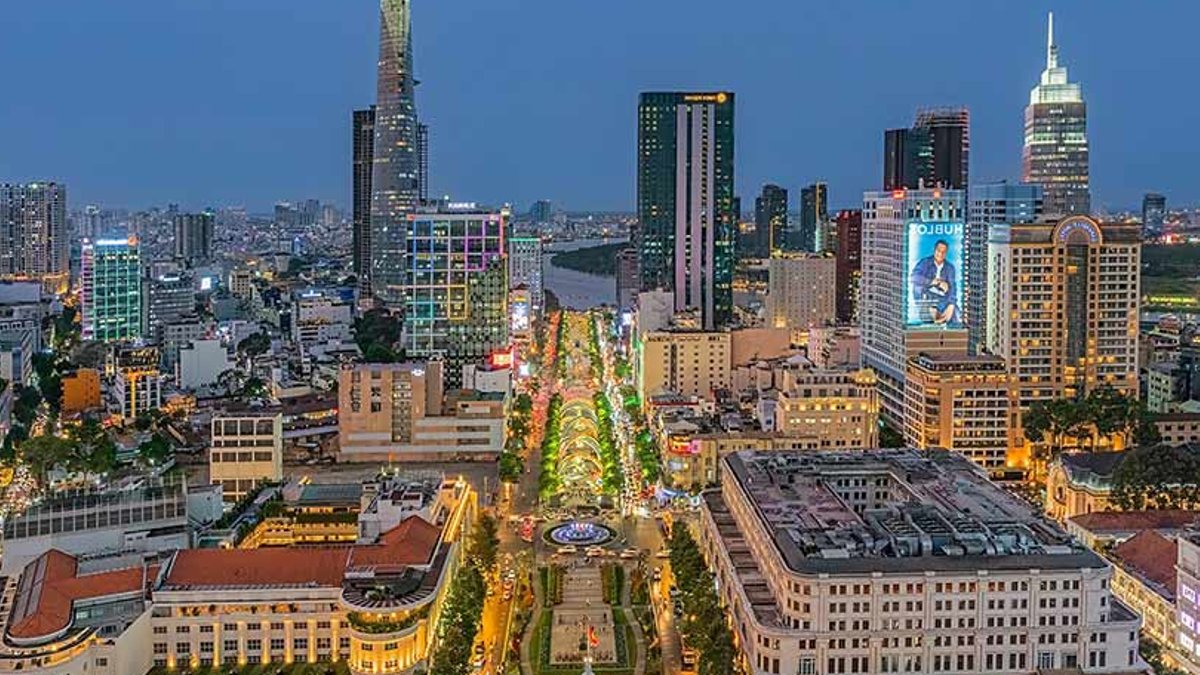
The Ho Chi Minh City retail market showed steady demand in the first quarter of 2026, with limited new supply and high occupancy keeping ground‑floor leasing prices firm.
Q1 2026 performance snapshot
JLL’s quarterly survey covered roughly 701,700 sq m of net leasable area and recorded no new prime space completions during the period.
The overall vacancy stood at 4.2 percent, but the city centre saw a higher rate of 8.4 percent compared with 3.7 percent on the fringe.
Ground‑floor gross asking prices rose about 4.2 % year‑on‑year, with central locations averaging US$236.4 per square metre per month and fringe sites around US$66.3.
Net absorption was negative, slipping by roughly 4,900 sq m. The decline reflected lease expiries and tenant reshuffling rather than a collapse in demand, a view echoed by Savills, which noted occupancy staying above 90 % despite several large tenants leaving.
Investor notes stress that tight supply does not guarantee commercial success; prospective lessees must still verify foot traffic, catch‑area demographics and competitive density before signing a lease.
Related: Vietnam Permanent Residence Guide Revealed
Leasing hotspots by sector
Food‑and‑beverage (F&B) and fashion dominate current leasing activity. International restaurant chains, coffee brands and locally‑tuned concepts are all looking for space, while fashion labels range from luxury houses to mid‑market players.
Mid‑range apparel firms tend to favor city‑fringe malls, often pairing physical stores with online channels to keep costs in line with local purchasing power.
Experience‑driven concepts—interactive stores, education hubs and entertainment venues—are being courted by mall operators seeking to boost dwell time, yet they must demonstrate clear revenue upside rather than merely adding fit‑out expense.
For a brand that relies on foot traffic, the high price in central districts forces a tight profit margin, making a flagship store a high‑risk bet. Those that can adapt menus, product mixes and service standards to Vietnamese tastes stand a better chance of turning that risk into steady sales.
Choosing the right site
Location choice hinges on the brand’s price point, format and growth plan. Central districts offer high visibility and access to affluent residents, office workers and tourists, but the cost per square metre is several times higher than in peripheral zones.
Fringe areas serve residential communities and families, providing lower leasing costs and a steadier flow of repeat customers, which can suit larger‑format or mass‑market concepts.
Related: Supreme Court halts Trump tariffs affecting Vietnam trade
Because the municipality expanded in July 2025 to include Binh Duong and Ba Ria‑Vung Tau, the total population now exceeds 14 million, yet footfall patterns differ markedly between the historic core and the newly incorporated zones.
Practical steps for market entry
Foreign brands must handle entity formation, tax registration and sector‑specific licensing. Food operators need to secure hygiene permits, understand import duties on foreign ingredients and train local staff to meet service expectations.
Fashion retailers should assess duties and taxes that affect final product pricing, and confirm that flagship locations meet brand‑image requirements.
Healthcare providers must meet professional qualification standards, adhere to advertising rules and register products with the appropriate authorities before opening doors.
Consulting firms can assist with market research, entry strategy, compliance and ongoing regulatory updates, helping newcomers avoid costly missteps.
Despite a vacancy rate below five percent, the market remains competitive; high occupancy alone does not ensure profitability, and each lease decision still requires a careful analysis of demand, cost structure and local competition.

Vietnam Permanent Residence Guide Revealed


