


South Africans rally against rising gender violence
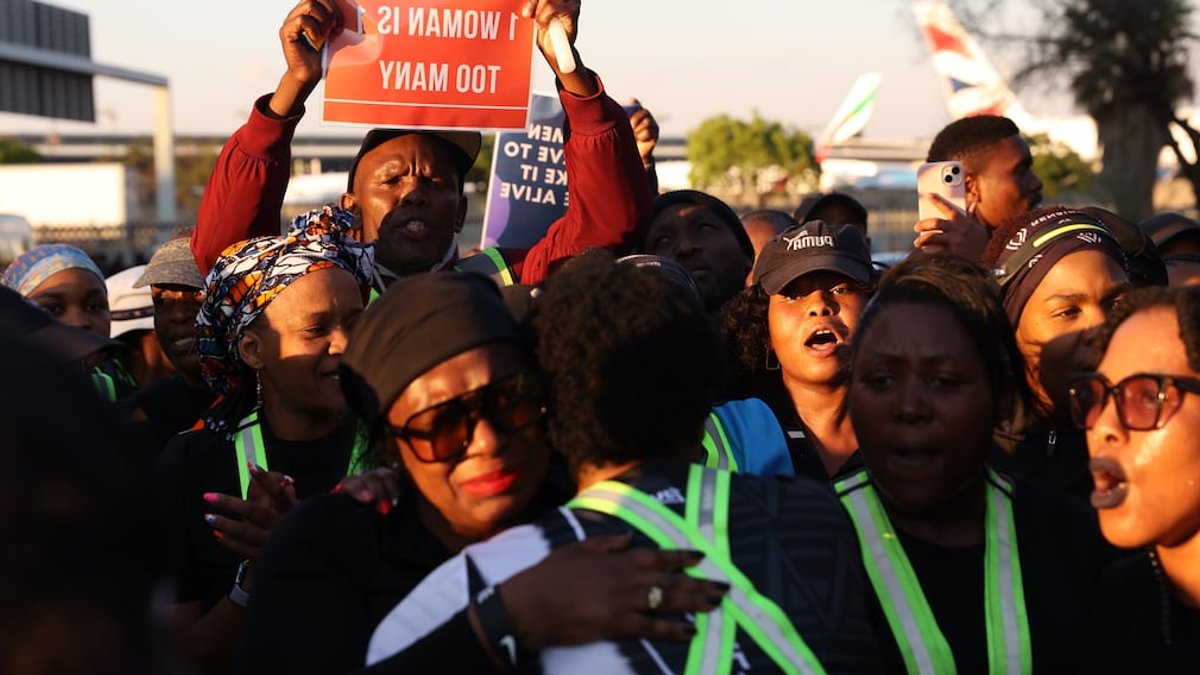
South Africans are responding with justified anger to the country’s persistent issue of violence against women. However, addressing this crisis will demand more than emotional reactions. A series of brutal attacks in Ekhurhuleni, resulting in the discovery of nine women’s bodies since mid-July, has sparked nationwide protests, media attention, and international criticism.
Public Outcry and Political Promises
Running clubs are organizing events to honor Elizabeth “Tsontso” Moselakgomo, murdered during a run, and to highlight the dangers women face in public spaces. Politicians are pledging urgent action and funding, while the UN urges the government to transform promises into tangible outcomes for women and girls.
This is not the first time such outrage has surfaced. In 2019, the rape and murder of UCT student Uyinene Mrwetyana at a post office led to mass protests and a social media campaign, “am I next”, pressuring the government to act. Last November, during the G20 summit in Johannesburg, the Women for Change movement organized nationwide demonstrations against gender-based violence. Thousands protested, wearing black, staging a silent “lie down”, and gathering over one million signatures on an online petition. The government responded by declaring gender-based violence a national disaster, promising increased resources and efforts.
Persistent Fear and Violence
Despite these declarations, South African women remain fearful. According to the Human Sciences Research Council (HSRC), 33.1% of women over 18 have experienced physical violence, and 9.8% have faced sexual violence. While running clubs draw attention to public risks, much of the violence occurs in private spaces. The HSRC reports that 22.4% of women have experienced intimate partner violence.
The digital area is equally unsafe. The Media Institute of Southern Africa highlights a pervasive culture of technology-facilitated gender-based violence targeting women journalists. Additionally, online communities in the “manosphere” promote toxic masculinity, advocating for misogyny and normalizing violence against women.
Government Response and Funding
Nearly a year after declaring gender-based violence a national disaster, the government’s actions remain insufficient. The declaration did not automatically release emergency funds but allowed the Treasury to reprioritize budgets. This could have accelerated the procurement of rape kits, upgraded forensic labs, and increased staffing in sexual offenses courts. However, the 2026 budget allocated only an additional R136 million over the medium term to the national council on gender-based violence for improved government coordination.

South Africa’s mining and energy sectors draw global investment surge


