


Floor Managers’ Role in Initial Disaster Response
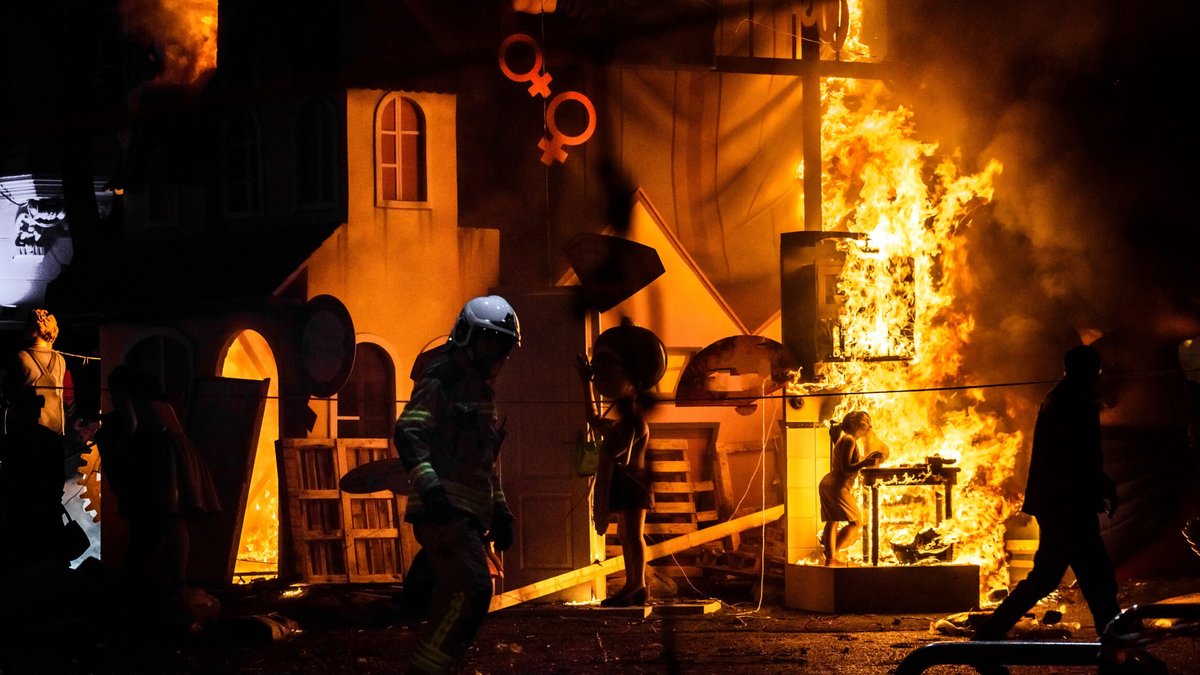
When a pipe bursts, a fire erupts, or water begins seeping across a warehouse floor, the initial half-hour determines the outcome. Losses to inventory, structural integrity, and operational downtime all depend on how promptly and accurately floor supervisors respond before cleanup crews arrive. Despite significant investments in disaster recovery agreements and insurance coverage, many facilities neglect the most key resource during these early moments: a knowledgeable, prepared floor manager who acts decisively.
The Critical Importance of the First Thirty Minutes
According to warehouse restoration specialists, damage escalates rapidly. Water spreads quickly. Smoke permeates merchandise and packaging. Structural weaknesses from partial collapses can deteriorate with each passing minute. Immediate actions either limit the impact or allow it to grow into a more extensive and expensive issue.
Floor managers typically serve as the first responders. They are present on-site, familiar with the facility layout, and the individuals employees turn to for guidance. Emergency protocols are only effective when executed properly in real-time situations, highlighting the need for floor manager preparedness equal to that of vendor agreements.
Evaluate and Notify Within the First Five Minutes
While the urge to begin cleanup or salvage efforts immediately is natural, the first minutes should focus on evaluation and communication. Supervisors must quickly assess the type and extent of the emergency: Is it localized or expanding? Are there immediate hazards such as fire, gas leaks, or structural concerns?
After evaluating the situation, the next step involves notifying the appropriate parties. This includes activating internal alert systems, reaching out to emergency responders if necessary, and informing leadership. Training should reinforce a clear, memorized notification sequence to avoid delays in identifying who to contact. Keeping laminated or posted contact lists at key locations eliminates uncertainty during high-pressure scenarios.
Evacuate and Protect in the Following Ten Minutes
If personnel safety is at risk, evacuation becomes the top priority, outweighing concerns about inventory. Floor managers should guide staff to designated safe areas using steady, composed directions. Panic can spread rapidly in large warehouse environments, and a leader who remains calm can prevent disorderly evacuations that may result in injuries.
Read Also: South Africans rally against rising gender violence
After confirming everyone is accounted for, the focus turns to securing the premises. This could involve turning off water supplies, disconnecting electricity in affected zones, or closing fire doors to restrict the spread of smoke or fire. Managers must know the locations of shutoff switches and control panels without hesitation, making practical walkthroughs essential during all training sessions, not just theoretical discussions.
Record and Coordinate During the Final Fifteen Minutes
With personnel safe and the immediate danger controlled, attention shifts to documenting the incident and working with arriving first responders. Floor managers should capture images and videos of the damage as it initially appears, before any remediation starts. Such records prove vital for insurance claims and assist restoration teams in assessing the full scope of the event.
This timeframe also allows for coordination with warehouse restoration experts. Pre-established partnerships with restoration providers are beneficial here, as managers can initiate contact with precise details: the nature of the incident, the affected area size, and any potential dangers. Prompt and accurate information enables restoration crews to deploy suitable equipment and staff efficiently.
Preventing Panic Through Realistic Drills
Effective training uses realistic simulations, not just slide presentations. Managers build muscle memory for high-pressure decisions through this method. Practical walkthroughs of shutoff valves, mock evacuation drills, and practice calls to restoration vendors help translate a written emergency plan into instinctive action.
Regular refreshers are also necessary. Emergency procedures reviewed once during onboarding fade quickly. Quarterly or biannual drills keep the response sharp. These sessions also give new employees exposure to the same protocols.
Developing Automatic Responses Through Practice
These responses do not occur instinctively during stressful events—they result from repeated practice. Full training programs rely on realistic drills rather than slide-based presentations, helping managers develop automatic reactions to high-pressure decisions. Practicing shutoff valve locations, conducting evacuation drills, and simulating calls to restoration vendors helps convert written emergency procedures into reflexive actions.

Restaurant insurance may not cover spoiled food


