


EU Questions US Tariff Rationale
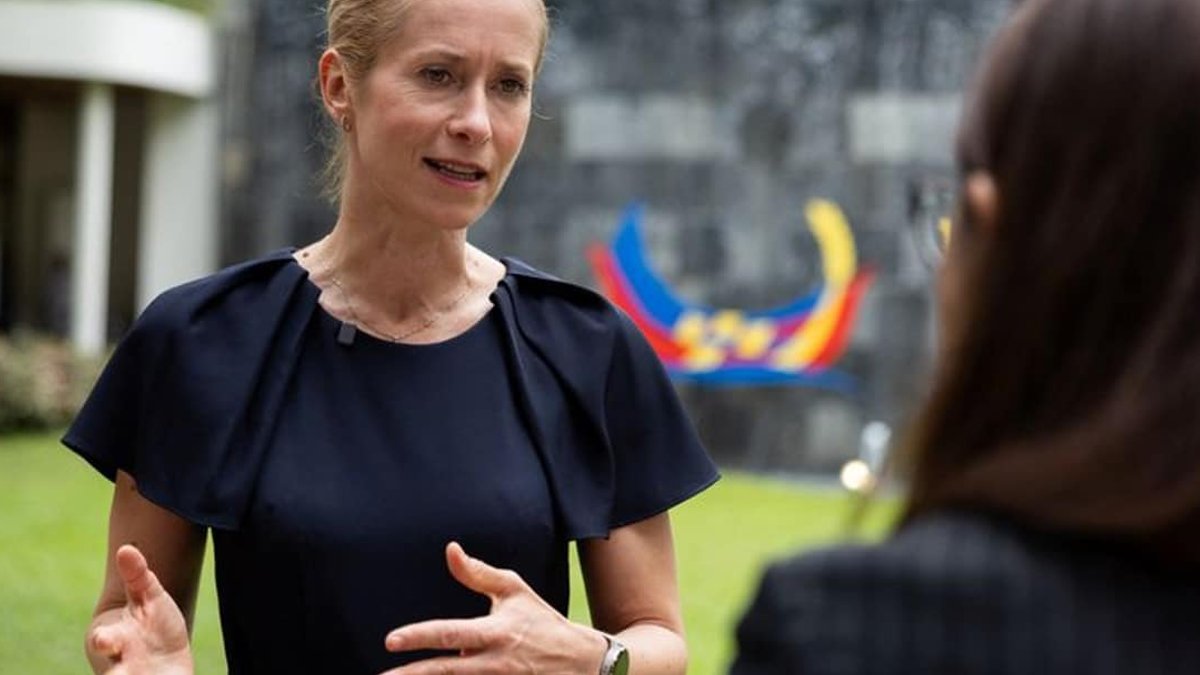
The European Union’s foreign policy chief, Kaja Kallas, has questioned the United States’ rationale for imposing new tariffs on European goods, citing allegations of shortcomings in the EU’s forced labor controls as unfounded.
Kallas told reporters that the EU has strong labor protections, including paid vacations, which outweigh the US rationale.
EU Labour Laws Compared to US
“You can’t say that for the European Union,” Kallas said, comparing the EU’s labor laws to those of the US.
“If you compare our labor laws to the ones of the United States, I mean, we have paid vacations, we have very good labor conditions for our employees, so it’s not really grounded,” she added.
The EU will seek clarification from Washington, with Kallas stating that the bloc had honored commitments under a transatlantic trade agreement reached last year.
Response to US Tariffs
“We had a deal with America and we have kept to that deal, that side of the deal,” Kallas said, viewing the new tariffs as a negative surprise.
The US imposed 10-12.5% tariffs on 60 trading partners, including the EU, under Section 301 of the Trade Act of 1974, for allegedly failing to enforce forced-labor bans.
According to the US Trade Representative, the tariffs were imposed due to the alleged shortcomings in the EU’s forced labor controls.
Kallas’ comments came on the sidelines of ASEAN meetings in Manila, where she spoke to reporters about the EU’s response to the US tariffs.
Related: EU reviews airline ownership rules
Trade Agreement Commitments
The EU contends it has fulfilled its commitments under the transatlantic trade agreement, which was intended to stabilize trade relations between the two blocs.
In light of this, the EU views the new tariffs as a negative surprise, and will seek clarification from Washington, especially given their adherence to the agreement.
The US Trade Representative has cited alleged shortcomings in the EU’s forced labor controls as the reason for the new tariffs, but the EU disputes this claim.
The EU’s decision to seek clarification from Washington is a key step in resolving the dispute, and it remains to be seen how the US will respond to the EU’s request.
The imposition of tariffs on 60 trading partners, including the EU, has significant implications for global trade and could potentially lead to further trade tensions between the EU and the US.
Kallas’ comments on the sidelines of the ASEAN meetings in Manila highlight the importance of trade agreements and the need for clarity and cooperation between trading partners.
The EU’s strong labor protections, including paid vacations, are an important aspect of its labor laws, and the bloc’s commitment to upholding these protections is evident in its response to the US tariffs.
The transatlantic trade agreement reached last year was intended to stabilize trade relations between the EU and the US, but the imposition of new tariffs has created uncertainty and tension.
The EU’s decision to seek clarification from Washington is a key step in resolving the dispute and restoring stability to trade relations between the two blocs.

EU reviews airline ownership rules


