


Vietnam Seeks Upgrade to Regional Container Fleet
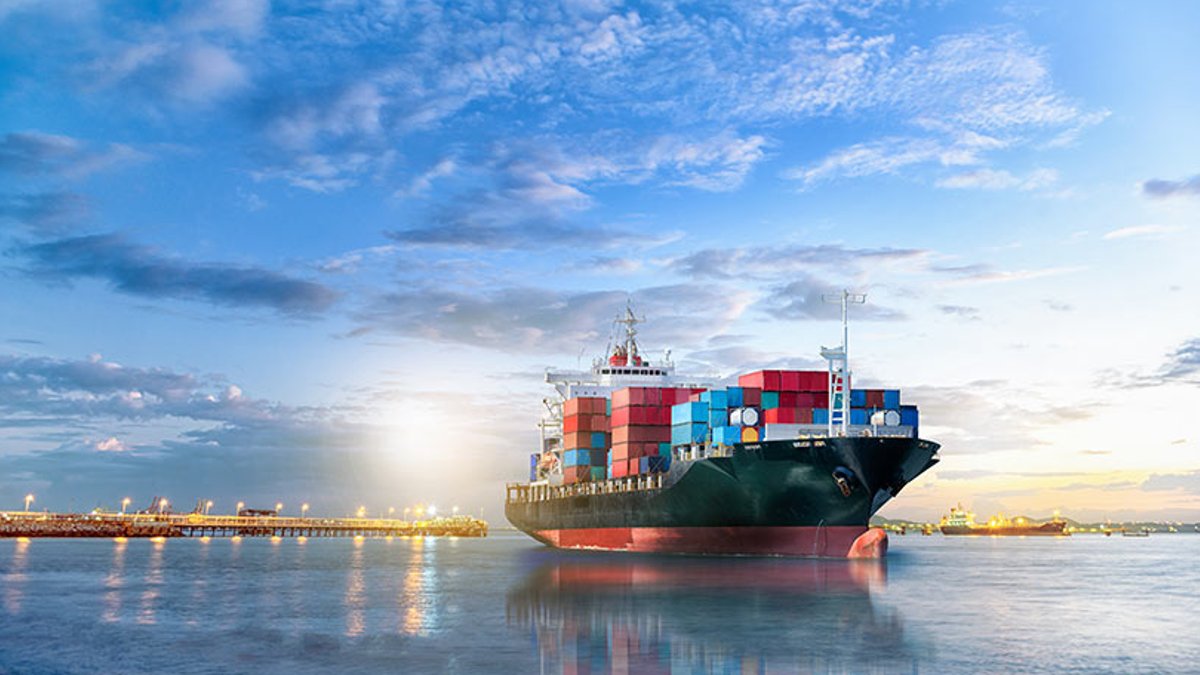
Vietnam’s shipping industry faces a critical juncture as it seeks to upgrade its regional container fleet amid rising freight costs and persistent supply chain disruptions. The country sits on a vital East-West maritime route handling over 80 percent of global freight volume. In 2021, despite pandemic-related challenges, container cargo through Vietnamese seaports reached 24 million TEUs, a 7 percent year-on-year increase. This growth highlights the sector’s importance, but it also exposes the need for substantial investment to modernize the national fleet and port infrastructure.
The Current State of the Fleet
Vietnam possesses a long coastline bordering the Gulf of Thailand, the South China Sea, and the Gulf of Tonkin. The nation has the second-highest number of international ports in ASEAN after the Philippines. Three main port cities—Hai Phong in the North, Ho Chi Minh City in the South, and Da Nang in the central region—serve as the primary hubs. Among these, the Ho Chi Minh City port handles the largest share of cargo, while the Hai Phong International Container Terminal (HICT) accommodates large container ships to reduce costs for northern shipments. Da Nang manages central region cargo and connects Vietnam to Myanmar, Thailand, and Laos.
Despite this extensive network, the domestic shipping fleet remains underdeveloped. As of March 2022, the global container fleet consisted of 6,346 ships with a total capacity of 25.5 million TEUs. In comparison, Vietnam’s 10 container shipping companies own only 48 ships with a combined capacity of 39,519 TEUs. This disparity is stark. Vietnamese shipping companies operate vessels with a capacity of 1,800 TEUs, whereas foreign firms utilize ships exceeding 20,000 TEUs. Consequently, domestic companies handle only about 7 percent of the market share, focusing primarily on domestic and intra-Asia routes while foreign lines dominate intercontinental trade.
The challenges facing the industry are structural. Most Vietnamese shipping companies are small-sized businesses that transport cargo but lack integrated logistics services. This narrow focus reduces business efficiency. The fleet is also aging, with 13 ships over 25 years old and others between 20 and 25 years.
These older vessels, often under 600 TEUs, lack the capacity to compete internationally and frequently fail to meet safety and security standards required for markets like Europe and North America. This equipment gap forces Vietnam to rely heavily on foreign carriers, which account for 95 percent of import and export goods. The shift has cut the local market share from 10 percent in 2015 to 5 percent in 2020, costing the country significant foreign currency.
Related Post: Cinnamon Investment in Vietnam Faces Challenges
Proposed Investment and Phased Development
To address these issues, the Vietnam Logistics Business Association (VLA) has proposed a $1.5 billion investment plan to buy new ships and rent or purchase containers. The plan is divided into two phases. The first phase, lasting three to five years, will focus on acquiring vessels suitable for intra-Asia routes, including Japan, South Korea, China, India, and the Middle East. This region accounts for over 60 percent of dry goods volume. The VLA suggests that in this initial stage, Vietnam should not only purchase assets but also partner with established shipping lines to share infrastructure and operational technology.
The second phase aims to develop large container ships capable of operating on major intercontinental routes, such as the Asia-America and Asia-Europe corridors. The VLA argues that a domestic fleet would help limit the pressure foreign lines exert on freight rates and surcharges. The organization also recommends policy changes to attract Vietnamese crew members, such as personal income tax exemptions, while allowing the hiring of foreign crews on Vietnamese-flagged ships. This investment strategy aims to take full advantage of free trade agreements and ensure economic security.
The government has responded by approving the Masterplan for the development of the seaport system from 2021 to 2030 with a vision to 2050. This document emphasizes encouraging private investment to improve infrastructure capacity. This regulatory framework supports the VLA’s proposal, providing a pathway for the industry to modernize. However, realizing this potential requires coordination between various ministries and enterprises to ensure goods move efficiently across the network.
Supply Chain Pressures and Tax Incentives
Supply chain disruptions have exacerbated the need for a stronger fleet. Congestion at ports and a shortage of containers have driven freight rates dramatically higher. This economic pressure compounds existing issues, such as the difficulty of locating goods and loading delays. However, container availability was already a major issue in Vietnam prior to the pandemic, which has created difficulties in locating goods, as well as loading and unloading cargo.

Vietnam tightens penalties for illegal foreign workers


