


Jobs Lost in July Surprise Decline
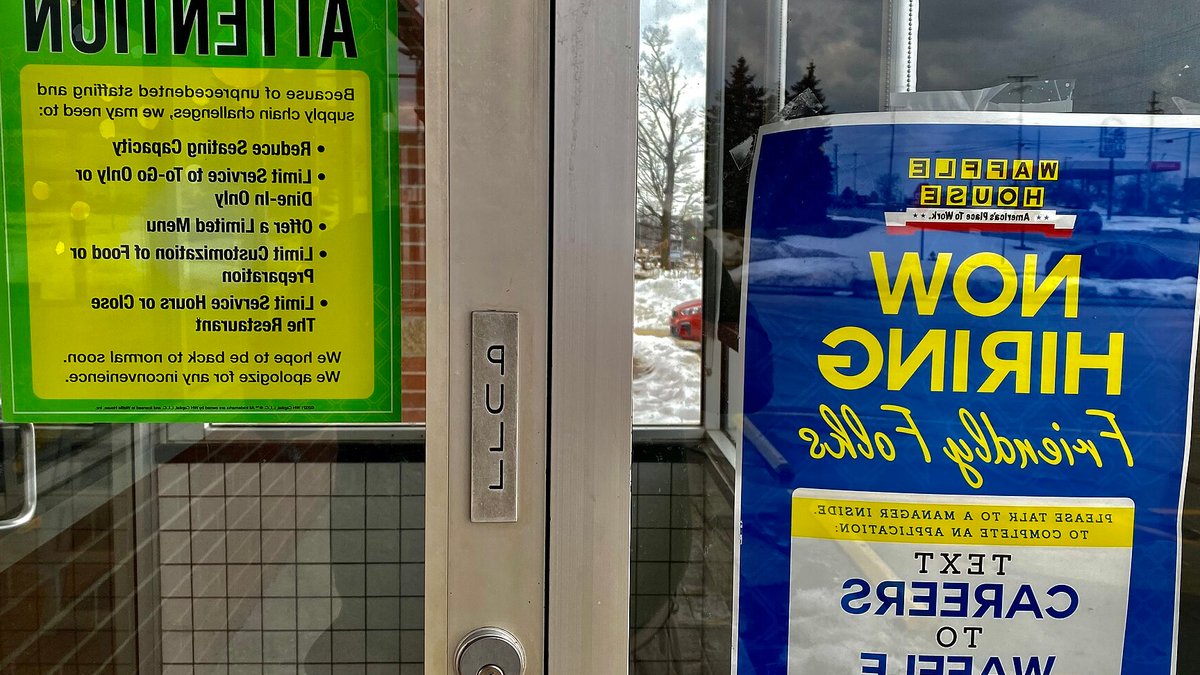
U.S. employers unexpectedly cut jobs in July, and revisions to hiring in May and June suggest the labor market is weaker than earlier estimates.
Job losses outweigh hiring gains in July
According to the Bureau of Labor Statistics, nonfarm payrolls fell by 23,000 last month after a combined downward revision of 103,000 for May and June. The unemployment rate slipped to 4.1%, while labor‑force participation continued its decline.
The drop was driven primarily by cuts in government, leisure and hospitality, and retail trade. Local government employers shed nearly 60,000 jobs, largely in education where seasonal payroll swings are common. Federal payrolls also declined.
Leisure and hospitality employment fell to the lowest level in almost a year, as restaurants and bars reduced staff despite the FIFA World Cup ending on July 19. Private‑sector payrolls, however, rose by 30,000 for a second month, led by healthcare and social assistance.
Wage growth slows as price pressures rise.
Average hourly earnings increased 3.2% from a year earlier, marking the slowest pace in more than five years. Wage growth slowed amid rising prices and ongoing uncertainty from the Iran war.
Related: Former Mayor Seeks Dismissal of Long Tax Case
The participation rate dropped to 61.4%, the lowest since the 1970s when excluding the pandemic period. Among prime‑age workers, participation edged higher but stayed near recent lows.
In the financial activities sector, payrolls fell to the lowest level in four years, reflecting vulnerability to artificial‑intelligence adoption. Manufacturing and construction payrolls continued to climb, with data‑center construction cited as a possible driver for future demand.
While the labor market shows signs of strain, other data released this week point to pockets of resilience. ADP Research reported that wage gains for private‑sector workers who switched jobs reached the highest level in almost a year. The Bank of America Institute found a rise in pay and job gains among lower‑income households, and the National Federation of Independent Business noted a surge in small‑business hiring plans to the highest in nearly four years.
From a broader perspective, the mixed signals highlight how employment trends can diverge across sectors, especially when policy and geopolitical factors intersect. The Fed’s next moves will likely hinge on whether inflation pressures persist while the job market shows uneven recovery.
Market reactions reflected the uncertainty. U.S. stocks opened higher and Treasury yields fell as investors scaled back expectations of a September rate hike. Nonetheless, upcoming consumer‑price reports for July could shape the Federal Reserve’s stance next month.
Related: Tax Rep Network Unveils New Software Tool
Nationwide chief economist Kathy Bostjancic said, “The soft labor market report should lower market expectations for a Fed rate hike in the coming months, but the inflation reports will be the key focus for Fed officials.” She added that hotter inflation prints could increase the odds of a rate increase.
High‑profile layoffs at companies like Microsoft, Uber, and Visa added to the perception of a softening labor market. Yet the continued rise in construction and manufacturing jobs suggests that specific industries remain buoyant.
Purchasing power will be a key issue heading into the November midterm elections, especially as the Iran war has further driven up living costs. Consumer sentiment rebounded last month, but views on personal finances remain below recent norms.
The outlook remains uncertain.

Former Mayor Seeks Dismissal of Long Tax Case


