


Missouri Voters Reject Income Tax Phaseout Plan
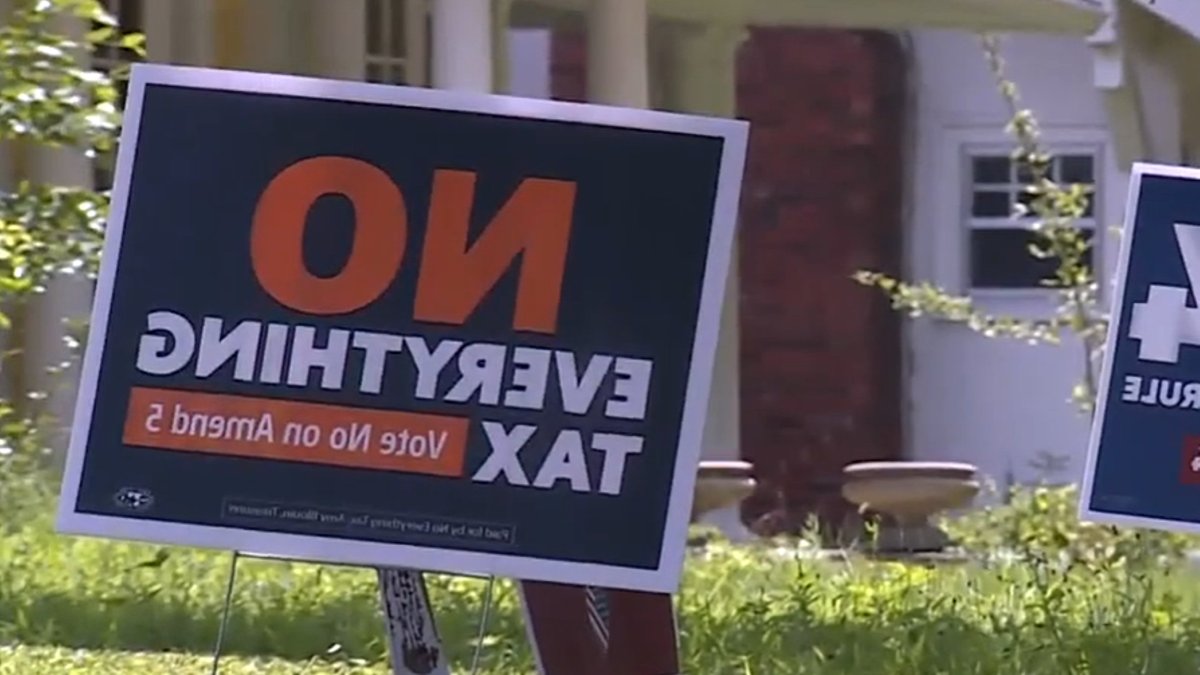
Missouri voters have rejected a plan to phase out the state’s income tax, with 83% of ballots cast being no votes, according to published reports. The proposed constitutional amendment, Amendment 5, was a top priority of Republican Gov. Mike Kehoe. This amendment was designed to replace the individual income tax with expanded sales and use taxes, which would have generated enough revenue to replace the roughly $9 billion brought into the state’s checkbook every year via Missouri’s 4.7% individual income tax.
A “yes” vote would have given lawmakers the ability to expand sales and use taxes without voter approval to generate enough revenue to replace the lost income tax revenue. This would have allowed lawmakers to impose new sales and use taxes on products and services not currently taxed, as well as increase Missouri’s existing sales tax rate of 4.225%. The revenue generated from these expanded sales and use taxes would have been used to offset the loss of revenue from the individual income tax.
Opposition to the Tax Swap
Opponents said the tax swap would have shifted the state’s tax burden onto lower-income Missourians because it would allow lawmakers to impose new sales and use taxes on products and services not currently taxed, as well as increase Missouri’s existing sales tax rate of 4.225%. This is because lower-income individuals tend to spend a larger portion of their income on necessities, such as food and clothing, which would be subject to the expanded sales and use taxes. As a result, the tax burden would have been disproportionately borne by lower-income Missourians.
In a statement Tuesday evening, Kehoe said, “Throughout this conversation on eliminating the state income tax, we made the case that Missouri should think boldly about its future, challenge the status quo, and pursue policies that make our state more competitive. While Amendment 5 did not earn the support it needed, I believe our work is far from over. I remain committed to working with the General Assembly in the years ahead on ways to continue cutting taxes, growing our state’s economy, and pursuing conservative policies that help Missouri families keep more of what they earn.”
The defeat of Amendment 5 is a significant development in the state’s tax policy, and it will have implications for the state’s revenue structure and economy. The state’s income tax will remain in place, and lawmakers will not have the ability to expand sales and use taxes without voter approval. This means that the state’s revenue structure will remain unchanged, and lawmakers will need to explore alternative ways to generate revenue and cut taxes.
Related: Paxton Proposes Family Tax Cuts in Senate Bid
Impact on Lower-Income Missourians
The defeat of Amendment 5 means that lower-income Missourians will not see a shift in the tax burden, and the state’s revenue structure will remain unchanged. This is a significant relief for lower-income individuals, who would have been disproportionately affected by the tax swap. The expanded sales and use taxes would have increased the cost of living for lower-income individuals, making it more difficult for them to afford necessities. By rejecting Amendment 5, voters have ensured that the state’s tax burden will remain more progressive, with higher-income individuals contributing a larger share of the state’s revenue.
According to the report, the election was called at 8:15 p.m., with the majority of voters rejecting the proposed amendment. The outcome of the election is a clear indication of the voters’ preference for the state’s tax policy, and it will have significant implications for the state’s economy and revenue structure. Lawmakers will need to take into account the voters’ preference for a more progressive tax system and explore alternative ways to generate revenue and cut taxes.
Next Steps for Lawmakers
Lawmakers will now need to explore alternative ways to generate revenue and cut taxes, as Kehoe remains committed to pursuing conservative policies that help Missouri families. The state’s economy and tax structure will continue to be a topic of discussion in the years ahead. Lawmakers will need to consider alternative tax policies, such as reducing tax rates or eliminating tax exemptions, to achieve their goal of cutting taxes and growing the state’s economy. The state’s official website provides more information on the election results and the state’s tax structure.
The rejection of Amendment 5 is a significant development in the state’s tax policy, and it will have implications for the state’s revenue structure and economy. Lawmakers will need to carefully consider the implications of the election outcome and explore alternative ways to generate revenue and cut taxes. The state’s tax structure and economy will continue to be a topic of discussion in the years ahead, and lawmakers will need to work together to find solutions that benefit all Missourians.
The state’s tax policy is a complex issue, and lawmakers will need to consider a range of factors, including the impact on lower-income Missourians, the state’s revenue structure, and the economy. The rejection of Amendment 5 is a clear indication of the voters’ preference for a more progressive tax system, and lawmakers will need to take this into account when considering alternative tax policies. By working together and considering the implications of different tax policies, lawmakers can find solutions that benefit all Missourians and promote economic growth.

Paxton Proposes Family Tax Cuts in Senate Bid


