


Trump Blames Midterm Setbacks on His Ballot Absence
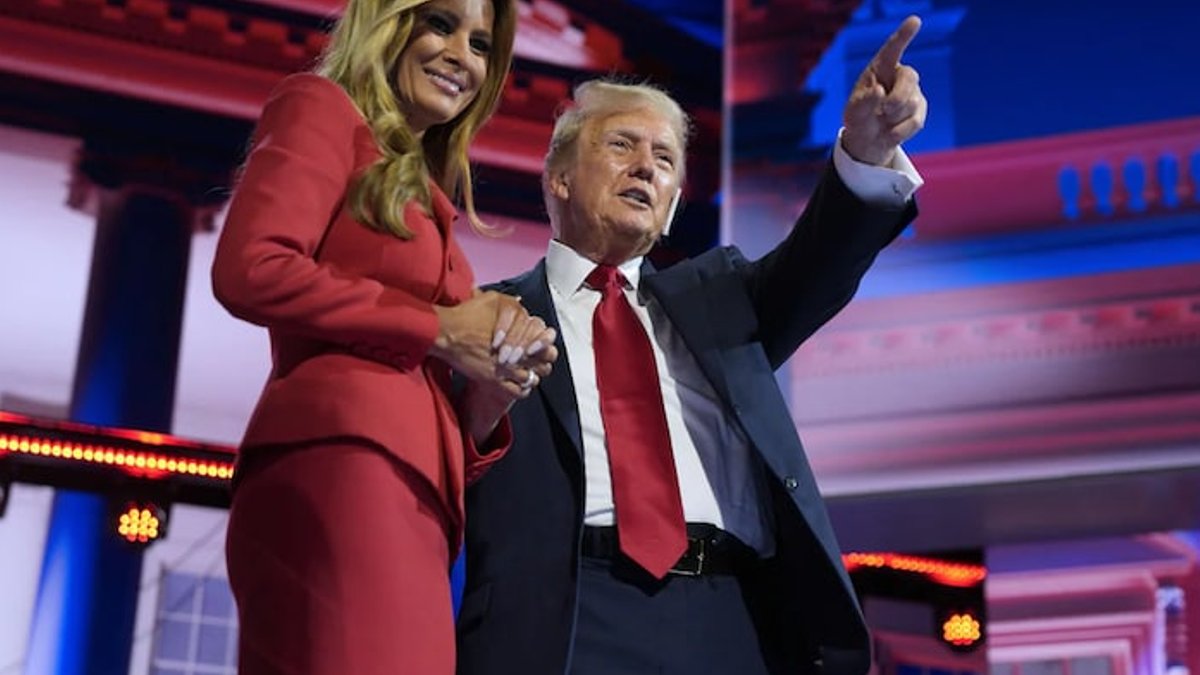
President Donald Trump has claimed that his absence from the ballot led to Republican setbacks in the midterm elections.
Trump’s statement came as Democrats were projected to take the House and challenge Republican control of the Senate. An Associated Press analysis revealed that voters who considered Trump a factor in their decision were more likely to vote against him than for him, highlighting his polarizing effect on the electorate.
Democratic Gains in Republican Territory
Despite Trump’s efforts, Democrats made significant gains, particularly in Republican strongholds. In South Carolina, Democratic paediatrician Annie Andrews won a Senate seat, a state that hadn’t elected a Democrat to the chamber since 1998. She defeated Darline Graham, who had Trump’s backing and was appointed after the death of her brother, longtime senator Lindsey Graham, in July. This upset was one of the night’s most striking results, symbolizing Democratic inroads in traditionally red states.
In North Carolina, former governor Roy Cooper defeated Michael Whatley, the former Republican National Committee chairman endorsed by Trump. Cooper’s victory took another Republican-held seat, bringing Democrats closer to gaining control of the Senate. These wins in the South showed voter frustration over living costs and the economy, issues that Democrats effectively highlighted in their campaigns.
Read Also: Stocks rise and fall on quarterly results
Key Races and Implications
Republicans held a 53–47 Senate majority before the election, meaning Democrats needed a net gain of four seats to take control. The North Carolina and South Carolina wins secured two of those gains, with other contests still unresolved. Democrats also defended key seats, such as Jon Ossoff’s re-election in Georgia and Chris Pappas’ historic win in New Hampshire, becoming the first openly gay man elected to the Senate.
In Ohio, Amy Acton defeated Trump-backed candidate Vivek Ramaswamy, becoming the state’s first female governor. Her victory, projected by the Associated Press, ended a two-decade wait for a Democratic win in the governor’s race. This defeat was particularly notable as it occurred in Vice President JD Vance’s home state, despite campaign appearances by both Vance and Trump on Ramaswamy’s behalf. Additionally, Democrats flipped the Georgia governor’s office, further expanding their influence in key states.
A Democratic-controlled House could revive impeachment efforts against Trump, as seen in 2018 and 2019, when he was impeached on charges of abuse of power and obstruction of Congress. He was impeached again in January 2021 and acquitted both times. A third impeachment would require House lawmakers to pursue specific allegations, though removal would remain a high hurdle, requiring two-thirds Senate support. Democratic control of Congress would also empower them to launch investigations, demand documents, and block Republican legislation, significantly hindering Trump’s agenda.


