


PCIC Coverage Remains Low in Davao Despite El Niño Threat
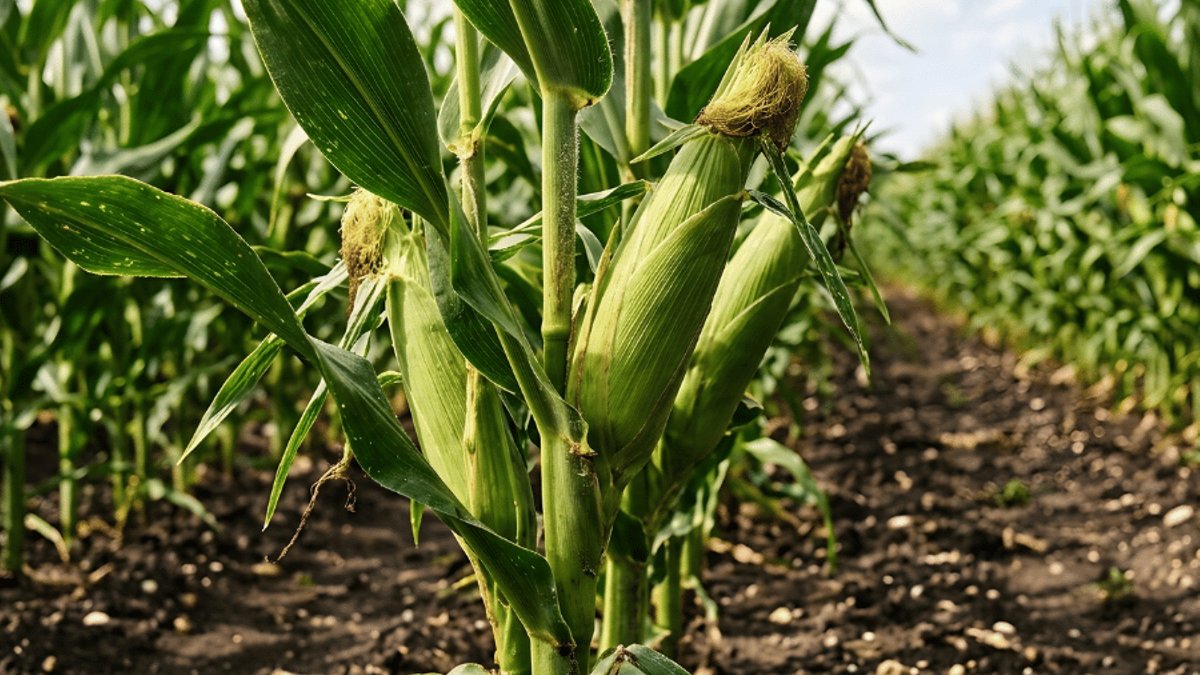
With a very strong El Niño forecasted to persist through the first half of 2027, the Davao Region’s agricultural sector is facing a significant threat, yet a substantial number of registered farmers remain without active crop insurance policies. According to the Philippine Crop Insurance Corporation (PCIC), as of November 15, 2026, only 158,447 out of 692,017 registered farmers in the region had insurance coverage, despite the fact that the coverage is provided free of charge.
Why Registration Doesn’t Mean Coverage
A report released by the PCIC on November 16, 2026, highlighted the disparity in insurance coverage among registered farmers in the region. Rosalina Grabulan, PCIC Region 11 regional manager, emphasized that registration with the government does not automatically enroll farmers in the insurance program, stating, “It is not automatic that once they are registered, they are insured. We really have to look for those registered farmers so they can avail of the insurance,” during the Kapehan sa Dabaw forum in Davao City.
The issue of inadequate insurance coverage extends beyond the number of enrolled farmers. The World Bank noted in its July 2025 project documentation that PCIC’s policies cover approximately 5% of the total agricultural production value at risk, indicating a persistent coverage problem even among enrolled farmers. This is evident in the regional breakdown, where Davao Oriental has the lowest enrollment rate, with only 22,311 out of 134,140 registered farmers insured, followed by Davao City, with 16,871 out of 66,641 registered farmers covered.
Grabulan urged eligible farmers to enroll in the insurance program before their crops are exposed to risk, as coverage cannot be obtained once a peril has already occurred. Farmers who are not yet registered with the Registry System for Basic Sectors in Agriculture (RSBSA) must first register before applying for insurance. The PCIC has already begun processing drought-related claims, with PHP 442,973 released to 78 corn farmers in Malita, Davao Occidental, on November 11 and 12, 2026, and an additional PHP 63,982 paid to five corn farmers in Manay, Davao Oriental, on October 30.
Related Post: Restaurant insurance may not cover spoiled food
Private Sector to Join Insurers
As of November 15, the PCIC had paid out a total of PHP 192.16 million to 33,617 farmers in the Davao Region, with rice farmers receiving PHP 145.66 million of this amount. Nationally, the Department of Agriculture reported that the PCIC had paid PHP 703.06 million in El Niño-related claims to 77,522 farmers as of November 11. The Philippine Atmospheric, Geophysical and Astronomical Services Administration (PAGASA) forecasted in July 2026 that there was an 81% probability of a very strong El Niño developing between October 2026 and January 2027, with a 97% probability of persistence through the first half of 2027.
The Philippine government is preparing to launch a co-insurance pool in January 2027, funded by a US$70 million World Bank loan, which will allow private insurers to operate alongside the PCIC on a shared-risk platform. The Philippine Insurers and Reinsurers Association (PIRA) is participating in the design process for the co-insurance pool, alongside the Department of Agriculture, PCIC, and World Bank specialists.
PIRA executive director Michael Rellosa highlighted the importance of private sector involvement in agricultural insurance, stating, “Our agricultural sector, the backbone of our food security, and a significant employer, is particularly vulnerable to weather-related risks. By leveraging private sector efficiency and risk management expertise, we can create a more robust and sustainable agricultural insurance market,” during the 2025 CSR Conference and Expo.


