


U.S. Eases Tariff on Russian Oil for India
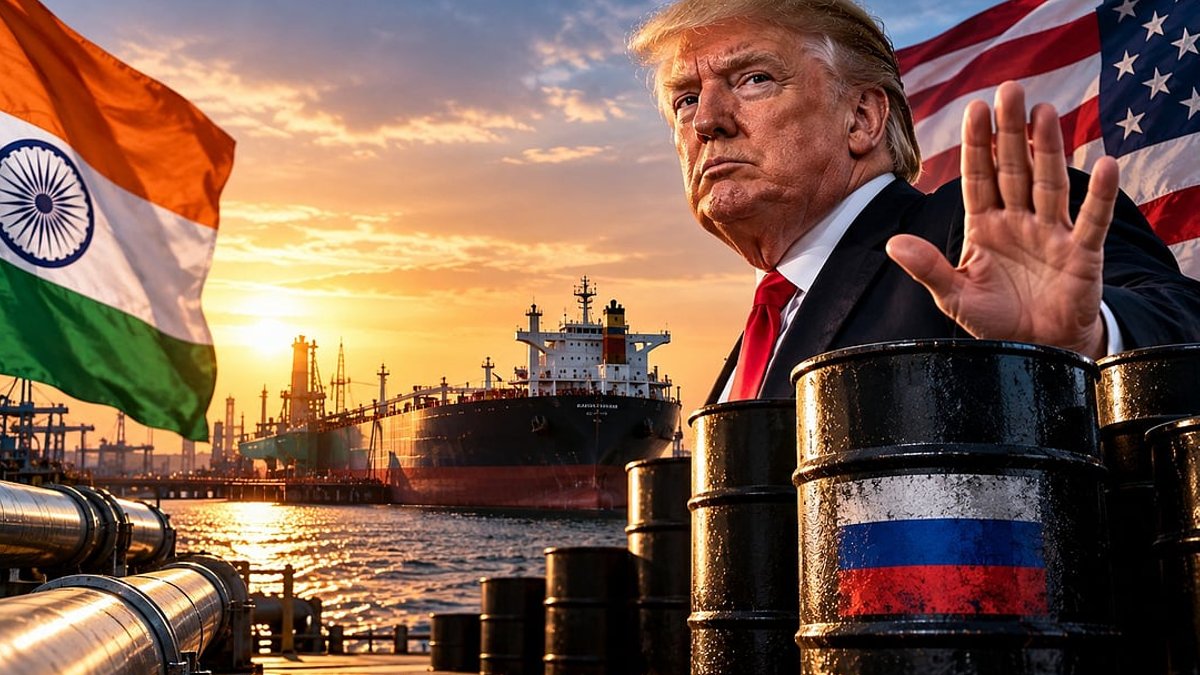
The U.S. government shifted its approach to penalizing countries that buy Russian energy, moving from a proposed 500% tariff to a 100% duty under a new law before President Donald Trump issued an executive order waiving the measures on October 16. The change came as the law’s 100% tariff mechanism was set to take effect on October 18, easing the immediate risk for India but leaving the door open for future action. Indian refiners now face uncertainty as their heavy reliance on Russian crude—over 35% of India’s oil imports in September 2026, according to commodity analytics firm Kpler—continues to clash with U.S. sanctions policy.
From 500% Proposal to 100% Tariff
The tariff threat evolved over months. An earlier proposal by Senator Lindsey Graham sought to impose duties as high as 500% on nations purchasing Russian oil, aiming to pressure Moscow over its war in Ukraine. The final legislation, the Lindsey O. Graham Sanctioning Russia and Iran Act of 2026, took a different approach. Signed into law on September 18, it authorized a 100% tariff on goods from the five largest importers of Russian crude if they made qualifying new purchases after October 18. A separate 500% duty targeted Russian-origin goods directly. The 100% tariff applied only to goods from qualifying countries that knowingly acquired Russian energy post-October 18, not to all Russian oil imports.
On October 16, Trump waived the specified duties and sanctions under the law, citing U.S. national interests. The order also instructed officials to monitor Russian energy purchases and report circumstances warranting further action. The relief is temporary, as the waiver can be revoked if the administration deems it necessary. Indian exporters avoided an immediate tariff shock, but the underlying tension over Russia’s energy sales remains unresolved.
India’s Vulnerable Position
India’s vulnerability stems from its post-2022 pivot to Russian crude. After Western nations reduced purchases following Russia’s invasion of Ukraine, Moscow offered discounted oil to willing buyers. Indian refiners seized the opportunity, making Russia one of India’s top crude suppliers. The advantage is clear: lower-cost energy helps contain India’s import bill, which relies heavily on foreign crude. Refiners also consider shipping costs, cargo availability, and whether alternative grades can be processed efficiently.
Read Also: India Weighs Adjusting Equity Tax Rates
The risk extended beyond oil markets. A 100% tariff on Indian exports to the U.S. could have driven up prices for American buyers, forcing Indian exporters to absorb costs or lose orders to competitors. The actual impact would depend on which goods were targeted and how the tariff was applied. India’s dependence on Russian oil made it a prime target under the law’s provisions.
The October 16 waiver did not erase all US penalties affecting India. A separate 25% tariff imposed in August 2025 remained in effect, raising total duties on many Indian goods to as high as 50%. That measure reflected earlier US frustration with India’s continued Russian oil purchases, which had become a recurring point of contention in bilateral trade discussions.
Historical Tariff Fluctuations
In August 2025, Trump reinstated a 25% duty on Indian imports, bringing total applicable rates to 50% on numerous products. Washington framed the move as leverage for reducing Russian purchases. Then in February 2026, the US lifted that surcharge and lowered the reciprocal tariff from 25% to 18% after India agreed to curb its Russian oil acquisitions, according to White House statements.
Export Vulnerabilities and Market forces
Kpler data shows India imported roughly 1.9 million barrels per day of Russian crude in September 2026, representing more than one-third of its total oil intake. Preserving this supply line offers refiners lower input costs, helping manage inflationary pressures on transportation fuels and petrochemicals consumed domestically.


