


China Intel Allegations Lag Behind Public Narrative
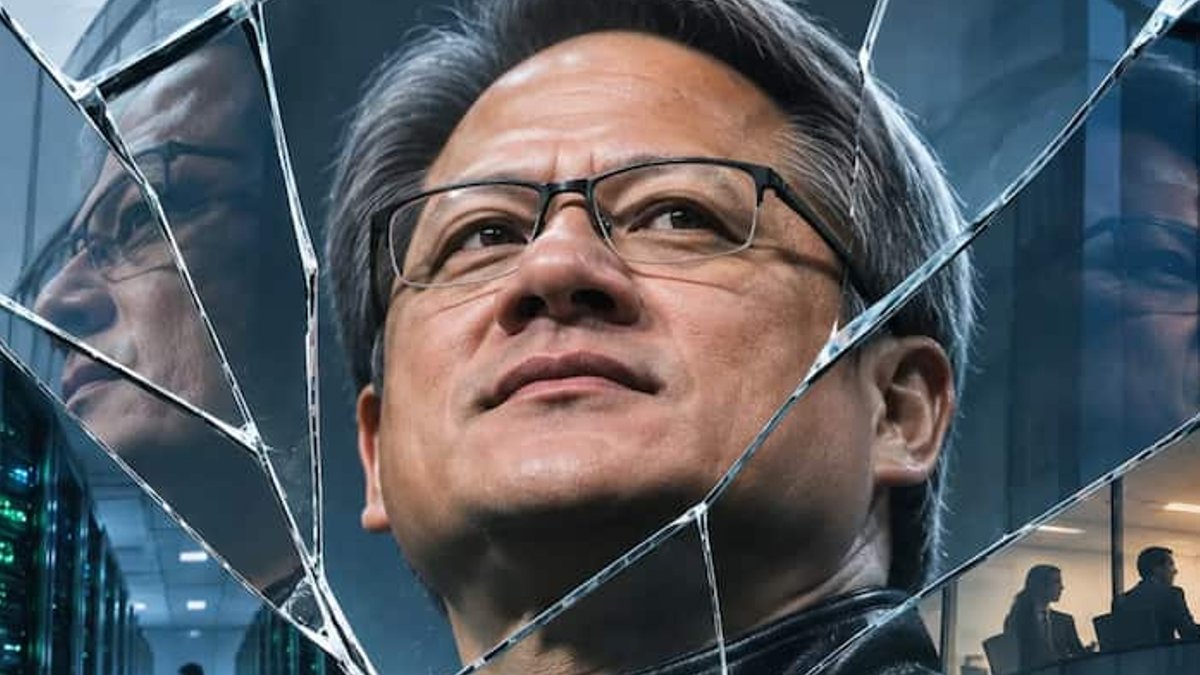
A dramatic narrative has emerged, suggesting a Chinese intelligence operative infiltrated NVIDIA, potentially compromising a critical US technology business. However, a review of the public record reveals that this conclusion is not yet supported. On November 12, US Deputy Attorney General Todd Blanche stated that the Justice Department has not determined whether Alice Huang was working on behalf of Chinese intelligence. While concerns surrounding the movement of NVIDIA servers and potential export-control violations exist, these issues should not be conflated with evidence of a spy operation.
Official Position Lags Behind Public Perception
It is essential to note that the US government has not officially designated Alice Huang as a spy. According to Blanche, the FBI is investigating her, but no conclusion has been reached regarding her potential ties to Chinese intelligence. This distinction is key, as an FBI investigation indicates that authorities are exploring the possibility, not that they have established her involvement. The gap between the public narrative and the official record warrants attention, as much of the discussion has already presumed her guilt.
The public discourse has largely moved beyond the official position, treating the allegation as fact despite the lack of conclusive evidence. This disparity between the reporting and the official record deserves scrutiny, as it may be prematurely shaping public opinion.
Read Also: Woman Fired After Seeking Medical Leave Sparks Debate in India
Separate Investigations Yield Different Outcomes
Singapore’s investigation into Megaspeed, which began in February 2025, focused on suspected export-control offenses and declarations. The country’s Ministry of Home Affairs investigated Alice Huang in connection with her role at Megaspeed and suspected false declarations, but not for espionage. Although Singapore lacked sufficient evidence to establish the suspected declaration-related offenses against her in February 2026, it did conclude that she had knowingly provided inaccurate information to downplay her role, resulting in a stern warning and a ban from re-entering the country.
The timeline of events raises questions about the exchange of information between the US and Singapore. Singapore’s investigation into Megaspeed started in February 2025, but it only became aware of US interest on June 24, 2025, when the US Commerce Department’s Bureau of Industry and Security conducted a post-shipment verification at the company. Singapore reportedly sought US assistance in obtaining information and cooperation but received limited support from the US Justice Department and FBI.
Business Ties Do Not Necessarily Imply Espionage
Jensen Huang has consistently argued against restrictions on NVIDIA’s ability to sell products in China, citing the risk of accelerating the development of Chinese alternatives. This commercial and strategic position has often put him at odds with Washington’s tougher approach to technology exports. While one can argue that NVIDIA’s commercial interests may have influenced its assessment of national-security risks, there is a difference between disagreeing with Jensen’s China policy and suggesting that it was shaped by Beijing.
Read Also: Ramayana’s global earnings hinge on China exclusion debate
There is no publicly established evidence that Alice Huang influenced Jensen’s position or that he was acting under the direction of Chinese authorities. Megaspeed was part of NVIDIA’s cloud partner ecosystem, and Jensen had publicly defended the relationship, noting that NVIDIA examined Megaspeed’s GPU deployments. This business relationship explains why the two sides had dealings and why Alice may have had access to people in NVIDIA’s orbit, but it does not resolve the more critical questions surrounding restricted chips, declarations, or confidential information.
Board Review Finds No Evidence of Compromise
NVIDIA’s board announced an independent investigation after reports emerged that Jensen had been targeted by a foreign intelligence effort. The board stated that it had no reason to believe that NVIDIA’s secrets or national security had been compromised. Former acting US attorney Joon H. Kim and the law firm Wachtell Lipton were retained to conduct the review.
Jensen’s resignation, effective November 12, has added another layer of intrigue. However, the timing of his resignation is not evidence of espionage, and no public finding has established a connection between his resignation and a breach of company secrets.


